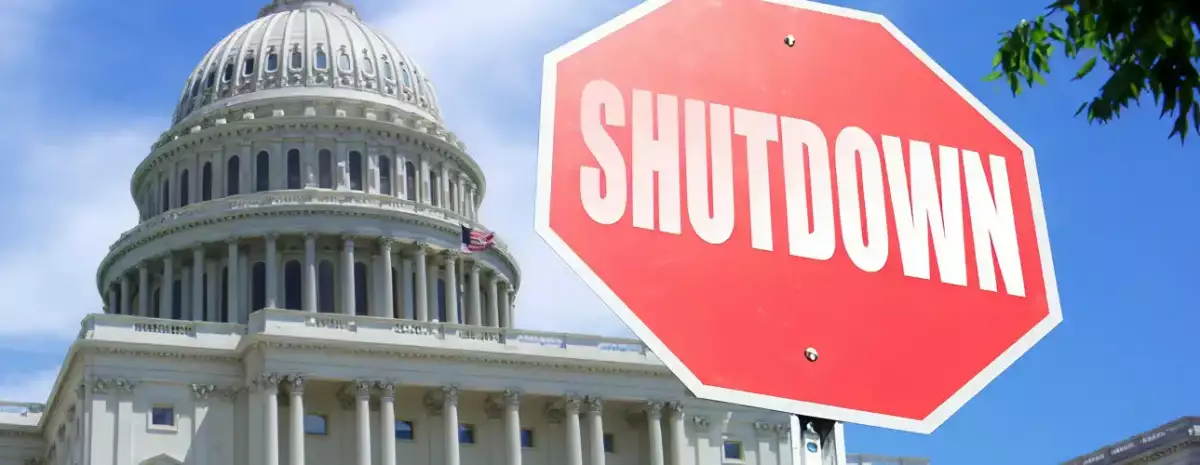


Updated September 27, 2026: This post was rewritten. It first ran in October 2025 as a live briefing on that month's shutdown, with port wait times and cost estimates that were never sourced and are now out of date. It is now a general guide to how a federal shutdown affects US imports, with the 2025 and 2026 funding lapses as dated examples.
When Congress does not pass funding on time, federal agencies stop all work that is not "excepted" or paid for from money outside the annual appropriations. For importers the question is simple: can my container still clear? In most cases, yes. US Customs and Border Protection (CBP) keeps processing cargo. The risk sits with the other agencies that have to release some goods, and with any work that needs a permit, a license or a decision from an office that has closed.
What keeps working during a shutdown
CBP and ACE
CBP collects duties and releases cargo at the ports, and the Department of Homeland Security treats that work as excepted. DHS's lapse plan of September 29, 2025 lists "continuing passenger processing and cargo inspection functions at ports of entry" among the activities that go on, keeps CBP revenue collections running, and expected to retain 63,243 of CBP's 67,792 employees.
The Automated Commercial Environment (ACE), the system brokers use to file entries, kept running during the October 2025 shutdown. CBP kept sending its trade messages (CSMS) as usual, including routine ACE maintenance notices and new tariff guidance. Tariff changes do not pause either. The Section 232 duties on timber, lumber, kitchen cabinets and upholstered wooden furniture took effect on October 14, 2025, two weeks into the shutdown, and CBP issued guidance for them on October 10.
Fee-funded inspections
Some partner agency work at the border is paid by user fees, not by annual appropriations, so it can continue:
- USDA APHIS kept up fee-funded work under its September 30, 2025 plan, including Agricultural Quarantine Inspection, animal import and export services and phytosanitary certificates. USDA's plan also kept essential food safety inspections running.
- Fish and Wildlife Service wildlife inspectors at the ports are paid from fees, so under the Service's September 2025 plan, inspection and clearance of wildlife shipments could continue.
- FDA kept most of its staff (the HHS plan put retention at about 86%), using carryover user fees and excepted public-health work. That included reviewing import entries to triage health risks.
What can slow down
A shutdown rarely stops clearance outright. It thins out the offices behind it, and the effect grows the longer the lapse lasts.
Partner agencies on annual funding
- CPSC planned to keep about 195 of its 436 employees in 2025, focused on imminent hazards. It said it would keep screening hazardous products at ports with CBP, but with fewer people.
- FDA carryover fees run down over time, and FDA could not accept new fee-funded submissions while funding was lapsed. Routine surveillance work was cut back to for-cause and selected inspections.
- EPA pesticide work funded by registration and maintenance fees could continue under EPA's September 29, 2025 plan as long as that money lasted. Pesticide shipments still need a Notice of Arrival that the EPA regional office reviews before CBP releases them.
Permits, licenses and trade cases
Work that depends on a permit is where a shutdown bites hardest. The Fish and Wildlife Service plan says that if it runs short of non-annual funds, no permits may be issued or reviewed. Plan any shipment that needs a new permit or license so the document is in hand before the goods ship.
The Commerce Department closed on October 1, 2025 and reopened on November 13. Its enforcement office then tolled antidumping and countervailing duty deadlines by 47 days on November 14, and on November 24 by a further 21 days. That second tolling also covered proceedings before the Foreign-Trade Zones Board. Goods moving into and out of an existing zone are handled with CBP, but a new zone application or production authority request waits for the Board.
The 2025 and 2026 lapses, in dates
- October 1 to November 12, 2025: a 43-day lapse covering all twelve annual appropriations bills, the longest in US history. It ended when Congress passed and the President signed a funding package on November 12.
- 2026: DHS went through two more funding lapses. The longer one began on February 14, 2026. The law that ended it for most of DHS, P.L. 119-86, was signed on April 30, 2026; funding for the Border Patrol and ICE followed on June 10. DHS again treated cargo inspection at ports of entry as excepted work.
In both cases the core customs process kept running. The practical effects for importers came from thinner partner agency staffing, paused permits and delayed trade cases, not from ports closing.
What importers can do before and during a lapse
- Know which agencies touch your goods. Food, drugs, cosmetics, medical devices, children's products, pesticides, plants, animals and wildlife products all involve an agency beyond CBP. Your licensed customs broker can tell you which ones apply to each HTS line.
- Get permits and licenses early. Renew anything that expires in the weeks around a funding deadline before that deadline arrives.
- File clean data. A complete ISF and an accurate commercial invoice keep holds to a minimum at any time, and an agency with fewer staff will take longer to resolve a query.
- Watch the free time. Ask your forwarder how many free days the carrier and terminal allow, so a slow release does not turn into demurrage and storage charges.
- Follow the official channels. CBP's CSMS messages and each agency's lapse plan say what is running. Agencies usually post updated plans as a funding deadline approaches.
Airlift USA is a licensed NVOCC, not a customs broker. We move freight to the US, file ISF as your NVOCC and arrange customs entries through licensed customs broker partners. See our customs clearance and ISF filing pages for how that works, and tariff updates for duty changes that keep taking effect whether or not the government is funded.
Worried about a shipment during the next funding deadline? Talk to an Airlift expert.
Get a quote for your shipment
Have a shipment to move? Send the origin, destination, cargo, and container size or weight. We reply with the rate, the routing and the services included.
